

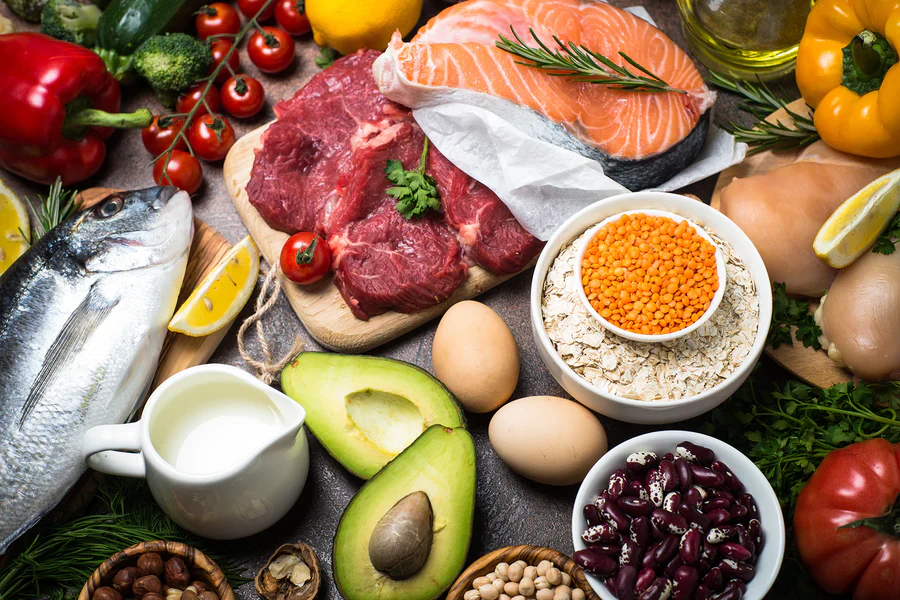
Introduction: Nutrition as a Lifestyle, Not a Diet
In a culture flooded with fad diets, detox teas, and conflicting health advice, the concept of nutrition has been both commercialized and misunderstood. At its core, nutrition is not a fleeting trend or a temporary fix—it is the art of fueling the body and mind with the building blocks of life. It is a daily practice of conscious eating that aligns with our biology, our environment, and our personal needs.
True nutrition goes far beyond calorie counting or rigid meal plans. It is a long-term commitment to vitality, balance, and inner harmony. It influences everything from mood and energy to immunity and longevity. To understand nutrition is to take back control of one’s health, one mindful bite at a time.
The Foundation of Human Health: What Is Nutrition?
Nutrition is the study of how food affects the body’s performance, development, and well-being. Every cell, tissue, and organ depends on nutrients to function optimally. These nutrients are derived from the foods and beverages we consume, broken down and absorbed to support bodily processes from head to toe.
The Six Essential Nutrient Categories:
-
Carbohydrates: The body’s preferred source of energy, found in grains, fruits, vegetables, and legumes.
-
Proteins: Crucial for muscle repair, immune function, and cellular growth, sourced from meats, dairy, beans, and nuts.
-
Fats: Vital for brain health, hormone production, and energy storage; includes healthy sources like avocados, olive oil, and fatty fish.
-
Vitamins: Organic compounds needed in small quantities to regulate metabolism, immunity, and digestion.
-
Minerals: Inorganic elements like calcium, iron, and zinc that play structural and regulatory roles.
-
Water: The silent hero of all bodily functions, from detoxification to temperature regulation.
Each of these components contributes uniquely to human health. Striking a balance among them is the key to comprehensive nourishment.
The Science of Eating Well: Principles of Balanced Nutrition
The human body thrives on consistency and balance. Extremes—be they starvation or overindulgence—disrupt the internal equilibrium and invite disease. Healthy nutrition follows principles rooted in moderation, variety, and mindfulness.
Core Tenets of Smart Nutrition:
-
Eat Whole Foods: Prioritize unprocessed or minimally processed foods that are closer to their natural state.
-
Diversify Your Plate: Rotate fruits, vegetables, grains, and proteins to ensure a spectrum of nutrients.
-
Mind Portion Sizes: Listen to hunger cues and avoid habitual overeating.
-
Stay Hydrated: Often overlooked, hydration is central to digestion, circulation, and cognition.
-
Limit Added Sugars and Sodium: Excessive intake can lead to inflammation, high blood pressure, and chronic illness.
-
Incorporate Healthy Fats: Omega-3 fatty acids and monounsaturated fats reduce inflammation and support cardiovascular health.
A balanced approach means no food is inherently “bad,” but awareness of frequency and quantity is vital.
Nutrition for Energy, Immunity, and Longevity
When properly nourished, the body rewards us in powerful ways. Nutrition doesn’t merely keep us alive—it helps us thrive.
Energy and Performance:
-
Complex carbohydrates like oats and sweet potatoes provide sustained energy.
-
Proteins stabilize blood sugar and support muscle endurance.
-
Iron and B vitamins are essential for oxygen transport and metabolic efficiency.
Immunity and Disease Prevention:
-
Antioxidants in berries, leafy greens, and seeds neutralize free radicals and reduce cellular damage.
-
Vitamin D, zinc, and probiotics fortify the immune system’s response.
-
A fiber-rich diet supports gut health, which is directly tied to immunity.
Healthy Aging and Longevity:
-
Calcium and magnesium strengthen bones and prevent osteoporosis.
-
Anti-inflammatory foods such as turmeric, olive oil, and green tea help combat age-related diseases.
-
Nutrient-dense diets delay cognitive decline and support heart health.
Food, in this sense, becomes a form of preventive medicine—one that is accessible, delicious, and entirely within our control.
The Role of Culture, Environment, and Emotion
Nutrition is not simply a matter of biology—it is intertwined with our heritage, habits, and emotions. Our food choices are shaped by family traditions, cultural customs, and psychological associations.
Emotional and Social Aspects:
-
Comfort eating often arises from stress, boredom, or emotional voids.
-
Sharing meals with others nurtures connection and satisfaction.
-
Mindful eating practices help reestablish a healthy relationship with food.
Environmental and Ethical Nutrition:
-
Supporting local agriculture reduces the carbon footprint and ensures fresher produce.
-
Reducing food waste and choosing sustainable protein sources contribute to planetary health.
-
Ethical eating, including plant-based choices, reflects conscious living beyond personal benefit.
Understanding the full context of what, why, and how we eat empowers us to make more informed, compassionate decisions.
Nutrition Across Life Stages
Nutritional needs evolve with age, activity levels, and life circumstances. Tailoring nutrition to each phase ensures optimal development and function.
Infancy and Childhood:
-
Focus on iron, calcium, and healthy fats for growth and brain development.
-
Limit sugars to avoid early-onset metabolic issues.
Adolescence:
-
Increased protein and calories to support growth spurts.
-
Critical need for vitamin D, calcium, and B vitamins.
Adulthood:
-
Balanced macronutrients for energy and weight maintenance.
-
Nutritional support for stress, busy schedules, and reproductive health.
Older Age:
-
Higher need for vitamin B12, fiber, and hydration.
-
Nutrients like potassium and magnesium to manage blood pressure and preserve muscle mass.
Tailoring nutrition to age and lifestyle is essential for graceful aging and sustained well-being.
The Dangers of Nutritional Misinformation
In the digital age, myths about nutrition spread quickly, often backed by pseudoscience or commercial interests. From detox fads to extreme elimination diets, many popular regimens do more harm than good.
Common Myths to Avoid:
-
“Carbs are bad.” Complex carbs are a vital energy source and essential for brain function.
-
“Fat makes you fat.” Healthy fats are necessary for hormone production and nutrient absorption.
-
“Skipping meals helps lose weight.” Irregular eating can lead to energy crashes and metabolic dysfunction.
Instead of chasing trends, aim for a foundation built on scientific literacy, cultural respect, and personal intuition.
Conclusion: A Return to Intentional Eating
At its essence, nutrition is not about perfection—it is about awareness. It is the gentle discipline of choosing foods that nourish rather than numb, that sustain rather than sabotage. In embracing real, whole, and balanced foods, we reconnect with our bodies, our cultures, and our communities.
To eat well is to live well. In every thoughtful choice lies the possibility of healing, strength, and longevity. Nutrition, then, is not a diet—it is a quiet, lifelong dialogue with oneself. And when spoken with honesty, that dialogue becomes a legacy of vitality and grace.
