

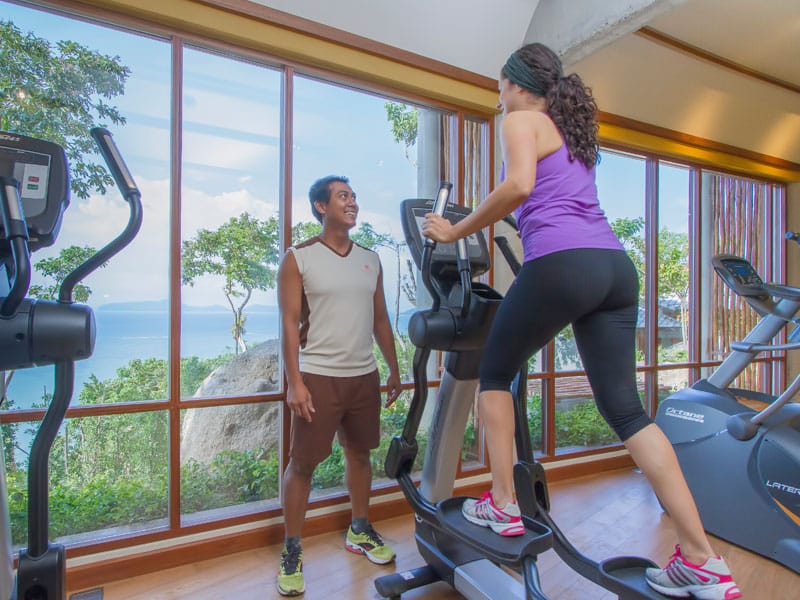
Introduction: Beyond the Gym Walls
Fitness, in its truest form, transcends muscle tone and gym routines. It is not merely the domain of athletes or bodybuilders, nor is it measured solely by abs and biceps. True fitness is a harmonious blend of physical strength, mental clarity, emotional stability, and functional resilience. It is the quiet confidence that comes from knowing your body can meet life’s demands—whether that’s climbing stairs with ease, managing stress, or maintaining energy through a long day.
As modern life evolves into an ever-busier whirlwind, the importance of holistic fitness only intensifies. It is the silent pillar beneath productivity, the fuel behind longevity, and the anchor that keeps us grounded amid life’s chaos.
Defining Fitness: More Than Just a Workout
Fitness is commonly misunderstood as a number on a scale or a time on a stopwatch. In reality, it is multidimensional.
The Four Pillars of Fitness:
-
Cardiovascular Endurance: The ability of the heart and lungs to supply oxygen efficiently during prolonged activity.
-
Muscular Strength and Endurance: The capacity to exert force and sustain repeated effort without fatigue.
-
Flexibility and Mobility: The freedom of movement in joints and muscles, crucial for daily function and injury prevention.
-
Body Composition: The ratio of fat to lean mass, reflecting metabolic health more than aesthetics.
To pursue fitness is to engage in a lifestyle that nurtures all these elements in balanced proportion.
Physical Fitness: The Foundation of Vitality
The physical aspect of fitness is the most visible, but also the most nuanced. It is not about pushing limits every day—it’s about building a sustainable relationship with movement.
The Benefits of Physical Fitness:
-
Energy and Productivity: Regular activity increases oxygen flow and boosts mitochondria function, energizing the body and brain.
-
Disease Prevention: Active lifestyles lower the risk of heart disease, diabetes, hypertension, and certain cancers.
-
Functional Strength: Everyday tasks—carrying groceries, lifting a child, walking briskly—become effortless with a fit body.
-
Better Posture and Joint Health: Core strength and flexibility improve alignment and reduce the risk of chronic pain.
Engaging in regular, enjoyable physical activity—whether it’s swimming, strength training, cycling, or dancing—lays the groundwork for a healthy and agile life.
Mental Fitness: The Often Overlooked Twin
What separates fitness from sheer physicality is the integration of mental health. A fit mind amplifies a fit body, creating a synergy that supports resilience and emotional balance.
Keys to Mental Fitness:
-
Mindfulness Practices: Meditation, breathwork, or even walking in nature helps sharpen focus and reduce anxiety.
-
Sleep and Recovery: A well-rested brain enhances decision-making, memory, and emotional regulation.
-
Cognitive Challenges: Engaging in puzzles, reading, or learning new skills maintains neuroplasticity and brain vitality.
A consistent fitness routine reinforces discipline, releases stress-reducing hormones, and instills a sense of accomplishment—each crucial for psychological well-being.
Nutrition: The Unsung Hero of Fitness
No conversation on fitness is complete without acknowledging the role of nutrition. Food is not merely fuel; it is information for the body. The choices we make at the table directly influence our energy, recovery, and physical composition.
Nutritional Principles for Lifelong Fitness:
-
Balanced Macronutrients: A mix of protein, healthy fats, and complex carbohydrates sustains performance and aids recovery.
-
Hydration: Proper water intake supports cellular function, joint lubrication, and mental alertness.
-
Micronutrient Diversity: A colorful diet rich in fruits, vegetables, nuts, and seeds provides essential vitamins and antioxidants.
Fitness and nutrition are partners in the same dance. One cannot thrive without the other.
Crafting a Sustainable Fitness Lifestyle
What often derails people in their fitness journey is the pursuit of quick results. True fitness is a marathon, not a sprint—it’s about consistency, adaptability, and enjoyment.
Tips for Long-Term Adherence:
-
Set Realistic, Personal Goals: Aim for progress, not perfection.
-
Choose Enjoyable Activities: You’re more likely to sustain fitness habits if you enjoy them—be it hiking, yoga, or martial arts.
-
Build Daily Movement: Not every session needs to be intense. A walk, a stretch, or a dance break counts.
-
Listen to Your Body: Rest and recovery are not signs of weakness—they’re essential components of progress.
-
Celebrate Small Wins: Acknowledge each step forward, however small.
Fitness Through the Ages
Fitness is a lifelong companion, but it evolves with each stage of life.
In Youth:
-
Builds foundational strength and coordination
-
Supports healthy growth and mental focus
In Adulthood:
-
Counters sedentary habits and stress
-
Supports metabolic health and muscle preservation
In Older Age:
-
Enhances balance, flexibility, and joint mobility
-
Reduces risk of falls and cognitive decline
Fitness is not about staying young forever; it’s about aging with strength, dignity, and independence.
Social and Emotional Dimensions of Fitness
There is a deep emotional and social richness to fitness that often goes unspoken. Joining a group class, training with a partner, or even sharing a post-workout meal strengthens bonds and builds community.
Emotional Rewards:
-
Improved self-esteem and body image
-
Greater emotional resilience
-
A sense of control and empowerment
Fitness can be an act of self-love, a moment of solitude, or a chance to connect with others. It is as much about heart as it is about muscle.
Conclusion: Fitness as a Way of Living
In an age where busyness is glorified and health is often reactive rather than proactive, fitness becomes a quiet rebellion. It is not a chore, nor a luxury—it is a necessity. But more than that, it is a celebration of what the human body and spirit can achieve when treated with respect and care.
To be fit is not to chase a fleeting ideal; it is to build a foundation upon which joy, longevity, and balance can flourish. It is a way of living—intentional, empowering, and deeply human.
