

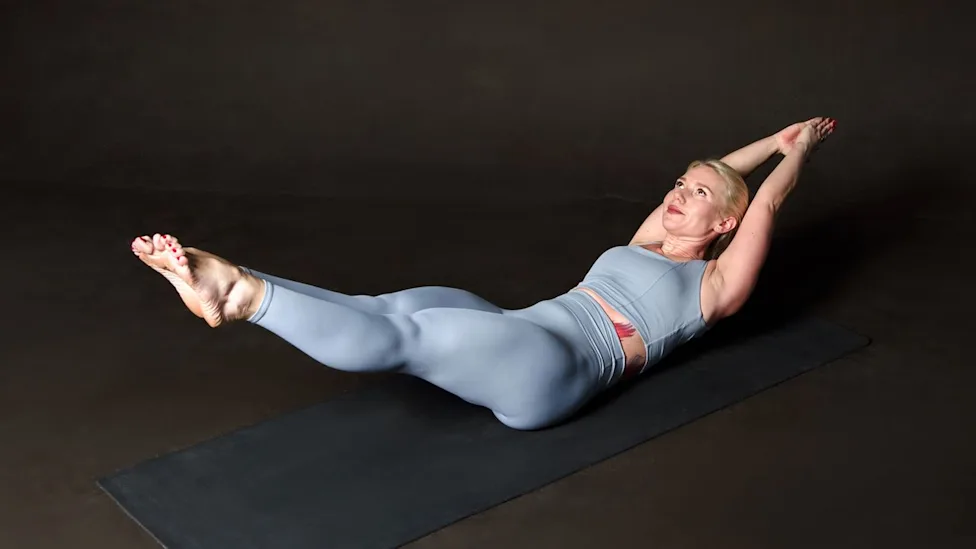
A strong midsection is the cornerstone of overall physical fitness, functional movement, and injury prevention. While many people chase a sculpted physique, true core strength goes far beyond aesthetics. Your core encompasses a complex network of muscles that stabilize your spine, support your posture, transfer force between your upper and lower body, and protect your internal organs. Whether you are carrying groceries, running a marathon, or simply sitting at a desk, a well-conditioned core keeps your body operating efficiently.
Understanding how to train these muscles effectively requires moving past basic abdominal crunches. The core is an integrated system that demands multidimensional training, including anti-extension, anti-rotation, flexion, and lateral stability. This article breaks down the mechanics of the core, highlights the most effective exercises for midsection strength, and provides actionable guidance to help you build a resilient, powerful midsection.
Anatomy of the Core Muscles
To target the midsection effectively, it helps to understand the key muscle groups involved. The core is not just the rectus abdominis; it is a three-dimensional belt surrounding your torso.
-
Transverse Abdominis: The deepest layer of abdominal muscle. It acts like a natural corset, wrapping around your spine and sides to provide structural stability and intra-abdominal pressure.
-
Rectus Abdominis: The visible front layer often referred to as the six-pack. Its primary job is flexing the spine and tilting the pelvis.
-
Internal and External Obliques: Located on the sides of your abdomen. They are responsible for trunk rotation, lateral side bending, and stabilizing against unwanted twisting motions.
-
Erector Spinae and Multifidus: Deep muscles along the back of your spine. They extend the back, assist in posture, and keep the spinal column alignment intact during heavy lifts.
-
Pelvic Floor and Diaphragm: The bottom and top borders of the core cylinder. They control breathing mechanics and pelvic stabilization.
Anti-Extension Exercises: Protecting the Lower Back
Anti-extension movements require your core to resist overarching in the lumbar spine. These exercises build deep stabilization, teaching your nervous system to keep the spine neutral under load.
The Forearm Plank
The plank is a fundamental isometric exercise that builds endurance throughout the entire anterior chain.
-
How to Perform: Lie face down, prop yourself up on your forearms and toes, and maintain a straight line from your head to your heels. Squeeze your glutes, pull your belly button toward your spine, and press your forearms active into the floor.
-
Key Focus: Avoid letting your hips sag or piking them up into the air. Focus on high-intensity tension rather than holding a sloppy position for minutes.
Ab Wheel Rollouts
Rollouts offer one of the highest levels of muscle activation for the rectus abdominis and transverse abdominis.
-
How to Perform: Kneel on a soft pad while holding an ab wheel beneath your shoulders. Slowly roll forward, keeping your core braced and your spine slightly rounded or neutral. Roll out as far as control allows, then pull yourself back using your abdominal muscles.
-
Key Focus: Stop the movement immediately if you feel pressure in your lower back. Quality and range of motion must match your current strength level.
Deadbugs
The deadbug teaches limb disassociation, allowing your arms and legs to move while your spine stays completely stable.
-
How to Perform: Lie flat on your back with your arms reaching toward the ceiling and knees bent at ninety degrees. Lower your right arm behind your head while extending your left leg straight out toward the floor. Return to the starting position and switch sides.
-
Key Focus: Maintain constant contact between your lower back and the floor throughout every rep.
Anti-Rotation and Rotational Exercises: Building Lateral Stability
Resisting rotational force is critical for athletic performance and daily lifting safety. Rotational strength improves athletic power in sports like golf, tennis, and baseball.
Pallof Press
The Pallof press uses a resistance band or cable machine to challenge your core’s ability to resist twisting.
-
How to Perform: Stand perpendicular to an anchor point holding a resistance band at chest level with both hands. Step away to create tension. Press the band straight out in front of your chest, hold for two seconds, and return to your chest without letting your torso rotate toward the anchor.
-
Key Focus: Maintain a athletic stance with feet hip-width apart and knees slightly bent.
Russian Twists
This movement targets the obliques by rotating the torso through a controlled range of motion.
-
How to Perform: Sit on the floor with knees bent and feet slightly elevated or resting on the ground. Lean back slightly to engage the abdomen. Rotate your torso to the right, touching the floor beside your hip, then rotate smoothly to the left side.
-
Key Focus: Move from the upper thoracic spine rather than just swinging your arms side to side.
Farmers Walk (Unilateral Carry)
Carrying a heavy weight on one side forces the opposite-side obliques and transverse abdominis to work overtime to keep you upright.
-
How to Perform: Pick up a heavy kettlebell or dumbbell in one hand. Walk in a straight line for thirty to fifty feet while maintaining upright posture, avoiding leaning toward or away from the weight.
-
Key Focus: Maintain equal shoulder height and take slow, controlled steps.
Dynamic Flexion and Hip-Focused Movements
Controlled flexion exercises develop power and active compression strength in the front wall of the abdomen.
Hanging Leg Raises
Hanging from a bar removes axial load on the spine while heavily challenging the lower abdomen and hip flexors.
-
How to Perform: Hang from a pull-up bar with an overhand grip. Engage your shoulders down and back. Raising your legs smoothly until they are parallel to the floor or higher, then lower them slowly back down without swinging.
-
Key Focus: Avoid using momentum or swinging your body to get the legs up. Focus on curling your pelvis upward at the top of the movement.
Bicycle Crunches
Studies show that bicycle crunches generate significant muscle activity in both the rectus abdominis and the obliques.
-
How to Perform: Lie on your back with hands behind your head and legs elevated. Bring your right elbow toward your left knee while extending your right leg straight out. Switch sides in a rhythmic, controlled movement.
-
Key Focus: Keep your elbows wide and focus on shoulder-to-knee rotation rather than pulling on your neck.
Programming Core Training for Maximum Results
Training the core requires the same approach as any other muscle group: consistency, progressive overload, and proper recovery.
-
Frequency: Target the core three to four times per week. Because core muscles possess a high percentage of endurance-based muscle fibers, they recover relatively fast.
-
Exercise Selection: Choose three to four exercises per workout session, ensuring you select one exercise from each movement category (anti-extension, anti-rotation, dynamic flexion).
-
Volume: Perform two to three sets of ten to fifteen controlled repetitions for dynamic exercises, or twenty to forty seconds for isometric holds.
-
Progressive Overload: Increase difficulty over time by adding resistance, extending time under tension, or choosing more complex variations.
Frequently Asked Questions
How does core strength impact dynamic posture during daily non-exercise activities?
A strong core creates balanced tension around the pelvic girdle and spinal column, preventing excessive anterior pelvic tilt or slouching. This automatic muscular support distributes body weight evenly across joints, which minimizes fatigue during prolonged standing or sitting.
Can individuals with pre-existing mild lower back stiffness safely perform anti-rotation exercises?
Yes, anti-rotation exercises like the Pallof press are often recommended because they build rotational stability without twisting the spinal discs. By keeping the spine still while limbs move, these exercises strengthen supporting muscles without adding unnecessary shear stress to the lower back.
What role do breathing techniques play in maximizing deep core activation?
Diaphragmatic breathing directly regulates intra-abdominal pressure. Contracting the core during full exhalation forces the transverse abdominis to shorten completely, which significantly enhances spinal stability and increases muscle engagement during static holds and heavy lifts.
How do core workouts complement heavy compound movements like squats and deadlifts?
Compound lifts require the core to act as a rigid brace that transfers force between the lower and upper body. Targeted core workouts eliminate weak links in this force chain, preventing energy leaks, improving lifting mechanics, and reducing injury risk under heavy structural loads.
Does performing daily high-volume core exercises burn abdominal fat directly?
No, spot reduction of fat is a biological impossibility. While high-volume core workouts build underlying muscle thickness and functional endurance, reducing abdominal fat requires a overall systemic caloric deficit achieved through proper nutrition and comprehensive physical activity.
How does muscle fiber composition in the core dictate optimal rep ranges?
The core contains a balanced mix of slow-twitch endurance fibers and fast-twitch power fibers. Consequently, training should combine longer isometric holds or high-rep endurance sets with heavy, lower-rep weighted movements to fully stimulate both fiber types.
Why is pelvis position critical when executing lower abdominal movements?
An improper pelvic position allows the strong hip flexor muscles to dominate the movement while arching the lower spine. Posteriorly tilting the pelvis flattens the back against the floor or aligns it correctly under gravity, ensuring the workload stays on the abdominal wall rather than the hip joints.
