

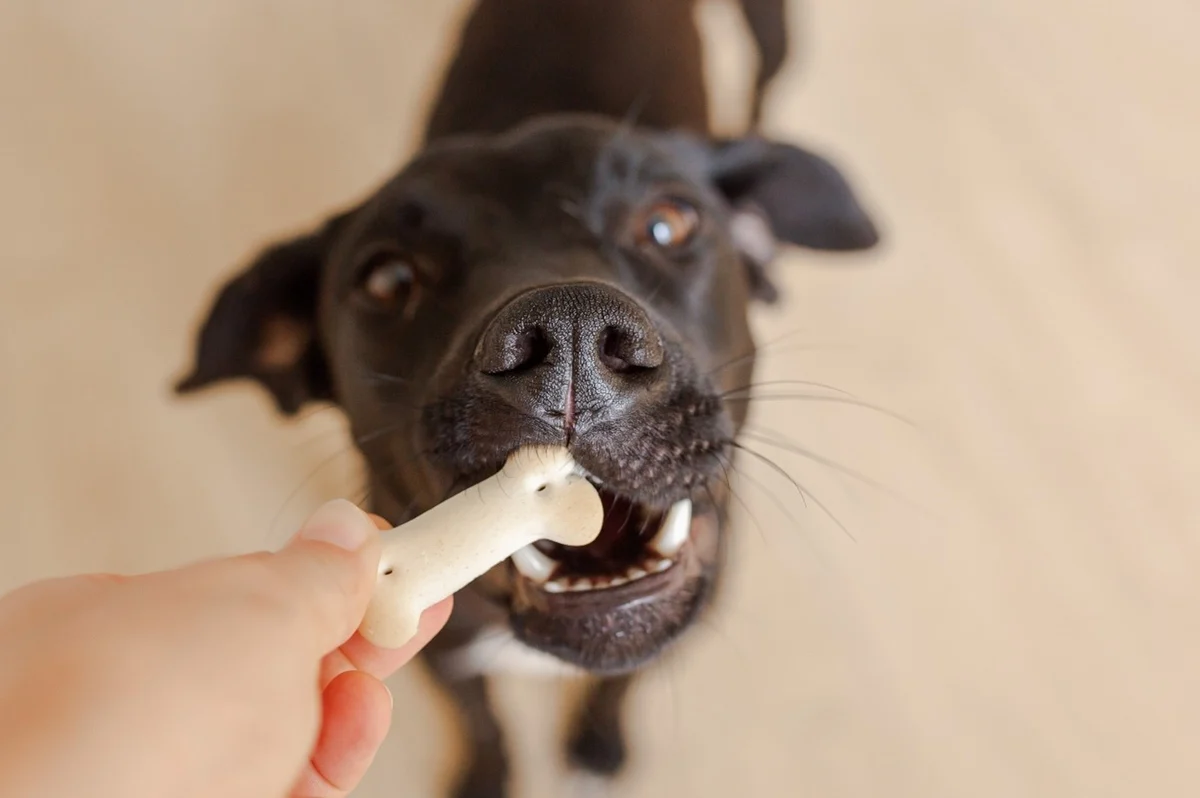
Giving a dog a treat is a small moment, but it happens often. A reward after a walk, a bite during training and a chew on a quiet afternoon can become familiar parts of the day. Looking at that routine as a whole helps you decide which treats are useful and when they are worth offering.
For many owners, choosing Natural dog treats begins with wanting to understand the ingredients. That is a sensible place to start, though the amount you give, your dog’s chewing habits and the reason for each treat matter just as much as the words on the packet.
Give each treat a purpose
A treat does not need a grand occasion, but it helps to know why you are reaching for one. You might be rewarding a quick response to a cue, helping your dog feel comfortable with a new experience or offering an appropriate activity while you supervise. Once you know the purpose, it becomes easier to choose the size and texture.
This also reduces automatic treating. If your dog follows you into the kitchen, you do not have to offer food every time. You can respond with attention, a brief game or simply let them rest nearby. Treats remain enjoyable when they are one of several ways you interact with your dog.
Keep rewards small during training
A training reward needs to arrive promptly after the behaviour you want to encourage. Small, easy-to-eat pieces let you practise several times without long pauses. A dog learning to return when called, for example, can receive a reward and then go back to exploring, rather than stopping to manage a large snack.
Breaking a suitable treat into smaller pieces can make a packet last longer too. The dog still receives clear feedback for a good choice. If a particular exercise is difficult or the setting is distracting, you may choose a reward they value more highly. Adjusting the reward to the task is often more useful than giving a larger quantity each time.
Build treats into the day’s food plan
It is easy for several people to contribute to a dog’s daily treat total without realising it. One person rewards a calm greeting, another offers a bite after lunch, and someone else runs through a few training cues in the evening. A quick family conversation can keep everyone on the same page.
You might set aside the day’s training rewards in a small container so you can see what has been used. Some dogs can also work for a portion of their regular food, depending on the setting and how motivating they find it. If your dog has a medical diet or needs to lose weight, follow your vet’s advice about suitable rewards and portions.
Offer variety for a reason
Different textures can be useful. A small reward works for repeated practice, while an appropriate chew may suit a quieter moment. Variety can also help you discover what your dog prefers. You do not need an overflowing cupboard, just a few options you know how to use.
Introduce new foods gradually rather than changing everything at once. Check the ingredients, feeding guidance and storage instructions. If your dog has reacted to an ingredient before, read every new label, even when the product looks similar to one they already enjoy. A thoughtful routine depends on knowing what you are giving.
Make chewing a supervised activity
A chew can be absorbing for a dog, which makes it easy to assume they can be left alone with it. Stay close enough to see how they handle it. Select a size and texture suited to their age and chewing style, provide water and take away small remaining pieces.
Some dogs settle with a chew. Others become excited, try to swallow too quickly or are protective of it around people or other pets. Those responses tell you whether you need a different option or a different setting. If you have concerns about dental health, swallowing or guarding, speak with a vet or an appropriately qualified behaviour professional.
Store and carry treats properly
A good routine includes what happens between treat times. Close packets after opening and follow their storage directions. If you transfer treats into another container, keep the original label so you can check the ingredients, date and feeding information later.
When heading out, pack an amount appropriate for the outing. On hot days, avoid leaving food in the car, and wash a reusable treat pouch regularly. These small habits help keep rewards pleasant to handle and easy to use. They also make it less likely that an old handful will be forgotten at the bottom of a bag.
Pay attention to change
The treat that suited your dog last year may not be the one that suits them now. Puppies grow, older dogs can develop different chewing needs, and an adult dog’s activity level may change with the seasons. Notice whether your dog still eats a treat comfortably and whether the portion remains appropriate.
You can review the routine without making it a major project. Look at what gets used, what sits untouched and which moments genuinely benefit from a food reward. Keep the useful parts and adjust the rest. Your dog’s response and your vet’s advice, where needed, are better guides than a rigid set of rules.
A thoughtful treat routine is simple: choose suitable ingredients, offer an appropriate amount and match each reward to the moment. Treats can remain one of the pleasures of living with a dog while still fitting comfortably into their everyday care.
