

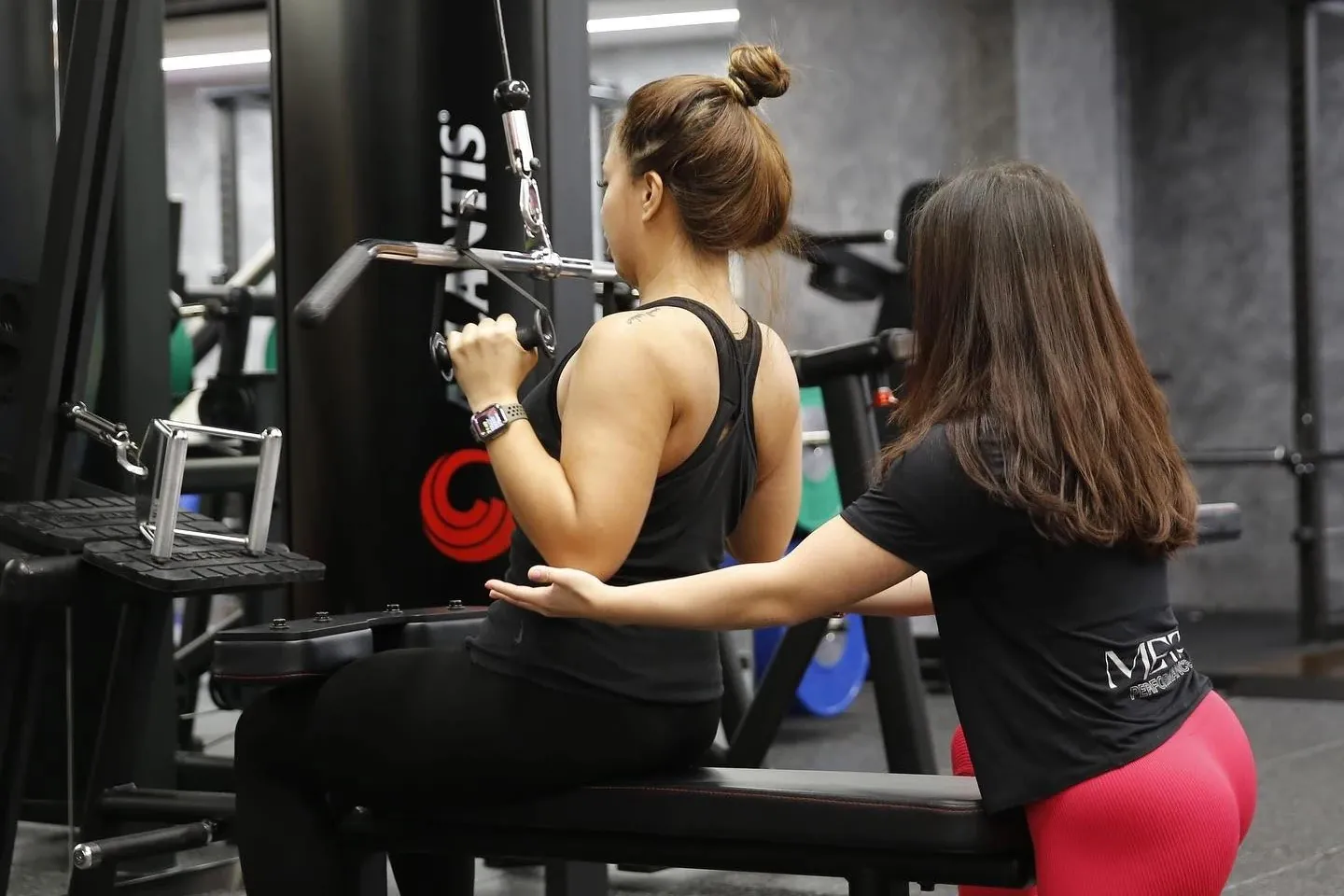
Shift work is a reality for thousands of Singaporeans. Nurses, cabin crew, hospitality staff, and other professionals with irregular schedules often find it difficult to stay consistent with exercise. Unlike the typical 9-to-5 crowd, their sleep cycles are disrupted, meal timings are inconsistent, and fatigue levels fluctuate widely. This is where having the guidance of a personal gym trainer Singapore becomes invaluable. A trainer who understands the demands of rotating rosters and late-night shifts can design a fitness programme that adapts to changing routines, while ensuring progress and health are not compromised.
At the same time, some individuals prefer facilities like TFX Singapore because of the flexible access, professional support, and structured programmes that complement trainer-led sessions. This combination ensures that even in the most unpredictable schedules, fitness can be a sustainable part of life.
The Physiology Of Shift Work And Sleep Debt
Working through the night or rotating shifts alters circadian rhythms. When the body’s natural light–dark cycle is disrupted, hormones like cortisol and melatonin fluctuate in ways that affect energy, recovery, and appetite. For shift workers, this means:
-
Slower recovery after intense exercise
-
Greater reliance on caffeine, which can interfere with sleep quality
-
Higher risk of muscle loss and fat gain if nutrition is not monitored
A trainer who recognises these challenges will not only set workouts but also teach clients how to read energy levels, monitor sleep quality, and adjust load accordingly.
Short And Efficient Training Blocks
Long workouts are often unrealistic for shift workers. On days with limited time and energy, short but structured sessions are more practical. Trainers may use methods like:
-
20–30 minute full-body circuits with compound lifts
-
EMOM (Every Minute On The Minute) sessions for strength and conditioning
-
Quick mobility and stability drills for joint health
These formats make it possible to get quality training without spending hours in the gym.
Caffeine, Naps, And Late-Night Sessions
Caffeine can be both a tool and a trap. Trainers often help clients plan caffeine intake strategically:
-
Before a workout, but not too close to desired sleep time
-
Combining small caffeine doses with short naps to improve alertness before training
-
Avoiding dependence on high doses, which lead to disrupted sleep cycles
A skilled trainer also schedules heavier workouts on days when sleep quality is better, keeping lighter sessions for post-night shifts.
Strength Before Cardio On Sleep-Restricted Days
Fatigue impacts coordination and energy. This is why trainers prioritise strength training before cardio when clients are sleep deprived. Lifting weights with controlled technique ensures safety and builds muscle, while cardio can be scaled down to short intervals or brisk walks.
This approach preserves muscle mass, maintains metabolism, and prevents the exhaustion that comes from overdoing cardio.
Meal Prep And Portable Nutrition
Nutrition planning is critical for shift workers. A trainer often collaborates with clients on realistic food strategies:
-
Portable protein sources like eggs, nuts, or Greek yoghurt
-
Balanced hawker meals with lean proteins and vegetables
-
Hydration reminders during long hours on the job
-
Smart snacks to prevent binge eating after overnight shifts
Consistency in nutrition ensures workouts remain effective and energy levels are stable throughout odd hours.
Red Flags And Recovery Cues
A key role of a personal trainer is to teach clients when to push and when to hold back. Red flags include:
-
Dizziness or disorientation during sessions
-
Excessive reliance on caffeine or sugar
-
Lingering muscle soreness beyond three days
-
Drastic mood swings due to accumulated fatigue
By adjusting training loads and incorporating recovery tools like stretching, foam rolling, and sleep hygiene habits, trainers help clients maintain progress without burnout.
Practical Strategies Trainers Use With Shift Workers
-
Flexible weekly programming: Instead of fixed Monday-to-Friday splits, trainers build floating schedules that adapt to roster changes.
-
Energy-based training: Workouts are rated by perceived energy on the day, not just by calendar dates.
-
Travel kits for cabin crew: Bands, skipping ropes, and bodyweight plans allow training in hotel rooms during layovers.
-
Humidity adaptations: Trainers in Singapore ensure clients know how to hydrate and cool down after working in hot kitchens or airports.
These strategies ensure that clients never feel trapped by their shifts, but rather supported in building fitness as a long-term habit.
Building Consistency With Accountability
One of the greatest struggles for shift workers is discipline. Trainers act as accountability partners by:
-
Tracking workouts and recovery scores digitally
-
Checking in after overnight shifts to adjust plans
-
Scheduling regular strength benchmarks every four to six weeks
-
Celebrating small wins, such as consistent attendance despite a tough roster
This external support is what keeps clients from dropping out when life gets unpredictable.
FAQ
Q. Can I train safely after a night shift?
Ans. Yes, but keep sessions short, focus on technique, hydrate well, and try to sleep soon after. Long or high-intensity workouts right after a sleepless night can raise injury risk.
Q. How many days a week should I train if I work rotating shifts?
Ans. Two to three strength-based sessions are ideal, with short conditioning add-ons if time and energy allow. Floating schedules work better than fixed days.
Q. What if I feel too tired to train after work?
Ans. On such days, opt for mobility or light bodyweight sessions. Even 15 minutes of movement helps circulation and improves recovery without adding stress.
Q. Can I still make progress with inconsistent schedules?
Ans. Yes, progress is possible with adaptable programming. Trainers monitor performance over months, not weeks, to account for uneven rosters.
Q. Is nutrition more important than exercise for shift workers?
Ans. Both matter, but nutrition plays a bigger role in energy regulation and recovery. Even the best workouts won’t deliver results if food choices are erratic.
Q. Should I take supplements to cope with odd hours?
Ans. A trainer may suggest basics like protein powder, electrolytes, or vitamin D, but supplements should never replace real food and proper sleep strategies.
