

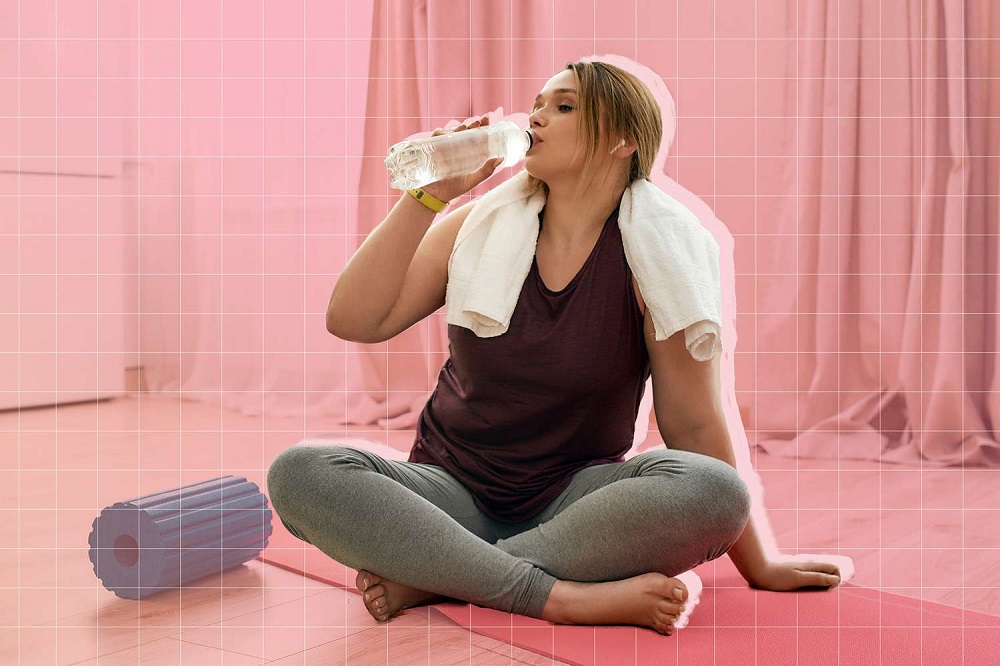
When people decide to lose weight, their primary focus usually shifts toward caloric restriction and exercise routines. They adjust their macronutrient ratios, cut back on ultra-processed foods, and join gyms to increase daily energy expenditure. While diet and movement form the core foundation of body re-composition, one critical variable is frequently overlooked: optimal fluid intake.
Water is involved in every single metabolic process that takes place within the human body. From cellular energy production to waste elimination, adequate hydration acts as a silent catalyst for fat loss. Skimping on fluid intake can slow down metabolic rate, increase phantom hunger cues, and reduce athletic output, ultimately stalling weight loss efforts.
The Biological Link Between Water and Metabolism
To understand why water is vital for weight management, it helps to examine its direct role in energy regulation and lipolysis.
Water Stimulates Resting Energy Expenditure
Drinking water actively increases resting energy expenditure through a mechanism known as water-induced thermogenesis. When you consume cool or room-temperature water, your body must expend energy to warm the ingested fluid to core body temperature.
Research indicates that drinking approximately 500 milliliters of water can temporarily boost metabolic rate by up to 30 percent. This metabolic spike begins within ten minutes of consumption and reaches its peak between thirty and forty minutes later. While the calorie expenditure from a single glass of water is modest, maintaining consistent fluid intake throughout the day adds up to significant caloric expenditure over time.
Lipolysis Requires Water to Burn Fat
Lipolysis is the physiological process of breaking down stored fats into glycerol and free fatty acids so the body can burn them for fuel. The initial step of this metabolic pathway is hydrolysis, a chemical reaction that requires water molecules to break the chemical bonds holding triglycerides together.
Without sufficient cellular hydration, the body struggles to efficiently mobilize stored adipose tissue. Being even mildly dehydrated impairs the liver’s ability to process stored fat into usable energy, forcing the body to rely more heavily on circulating glucose and compromising steady fat loss.
Suppressing Excessive Appetite and Managing Caloric Intake
One of the greatest challenges during a weight loss phase is managing hunger signals and appetite spikes. Hydration plays a vital role in natural appetite control, serving as a simple tool to prevent overeating.
Overcoming the Confusion Between Hunger and Thirst
The brain struggles to distinguish between thirst and hunger cues. Both sensations are governed by the hypothalamus, the brain region responsible for maintaining internal homeostatic balance.
When body fluid levels dip, the hypothalamus signals a need for intake. However, many people interpret this subtle physiological signal as a craving for food rather than a call for water. This misinterpretation frequently leads to unnecessary snacking and excess calorie consumption. Drinking a full glass of water when sudden hunger strikes helps clarify whether the body needs genuine nutrients or simply fluid replenishmen.
Gastric Distension and Satiety Signals
Drinking water before meals expands the stomach lining, triggering mechanical stretch receptors. These neural receptors send immediate feedback to the brain via the vagus nerve, signaling fullness and prompting the release of satiety hormones like cholecystokinin and peptide YY.
Consuming two glasses of water roughly twenty to thirty minutes before major meals creates natural gastric volume. This simple habit reduces total meal volume, helping individuals naturally achieve a caloric deficit without feeling deprived.
Enhancing Exercise Performance and Fat Oxidation
Physical activity is a primary driver of daily caloric expenditure. However, exercising in a dehydrated state severely compromises physical performance, reducing the total calories burned during a workout.
Preserving Cardiovascular Output and Endurance
During intense exercise, body temperature rises, triggering sweat production to cool the skin. If lost fluids are not continually replaced, total blood plasma volume decreases.
When blood plasma volume drops, the heart must beat faster to pump blood to working muscle tissue, increasing the rate of perceived exertion. A dehydration level of just two percent of body weight can reduce aerobic performance, cause early physical fatigue, and lower total calorie burn during training sessions.
Maintaining Muscle Cell Volume and Preventing Cramps
Optimal hydration maintains fluid pressure within muscle cells, known as cellular turgor. Well-hydrated muscle cells maintain higher rates of protein synthesis and experience less tissue breakdown during strenuous training.
Furthermore, adequate hydration, paired with balanced electrolytes like sodium, potassium, and magnesium, prevents painful muscle cramping and joint friction. Keeping joints lubricated and muscles fully functioning allows individuals to lift heavier weights and sustain longer cardio sessions, maximizing fat loss over time.
Supporting Natural Detoxification and Waste Removal
Metabolizing body fat produces metabolic byproducts and cellular waste that must be filtered and excreted. Adequate fluid intake facilitates the smooth removal of these compounds through the renal and digestive systems.
Enhancing Kidney Function and Reducing Fluid Retention
The kidneys require plenty of water to filter waste products from the bloodstream and excrete them through urine. When water intake is chronically low, the kidneys conserve fluid by concentrating urine and retaining sodium.
Paradoxically, holding onto excess water causes bloating and temporary weight spikes on the scale, which can demoralize individuals on a weight loss journey. Consuming consistent amounts of water signals to the kidneys that fluid is abundant, prompting them to flush out retained water weight and sodium efficiently.
Preventing Constipation and Digestive Sluggishness
High-protein diets and increased dietary fiber are standard components of weight loss meal plans. However, dietary fiber requires significant amounts of water to form soft, bulky stools and pass smoothly through the digestive tract.
In the absence of sufficient hydration, high fiber intake leads to severe constipation, abdominal bloating, and sluggish digestion. Proper fluid intake ensures smooth gastrointestinal transit, keeping the digestive system running efficiently and supporting a flatter midsection.
Practical Hydration Strategies for Weight Loss Success
Knowing that water aids weight loss is one thing, but establishing consistent daily habits requires structure and planning.
-
Calculate Personalized Fluid Needs: Rather than relying on the generic recommendation of eight cups per day, aim for roughly half your body weight in ounces of water daily, adding extra fluid to compensate for exercise and warm weather.
-
Anchor Drinking Habits to Daily Routines: Drink a large glass of room-temperature water immediately upon waking, before every meal, and before starting any workout session.
-
Utilize Flavor Enhancers: If plain water feels unappealing, infuse jugs with fresh lemon slices, cucumber, mint, or berries to encourage higher daily consumption without adding caloric burden.
-
Monitor Urine Color: Track hydration status throughout the day by observing urine color. Pale lemon or light straw yellow indicates healthy hydration, while dark yellow suggests an immediate need for fluids.
Frequently Asked Questions
How does cold water intake compare to room temperature water for burning calories?
Drinking cold water forces the body to expend a small amount of extra thermal energy to warm the liquid up to thirty-seven degrees Celsius, which is normal body temperature. While this thermogenic effect technically burns a few additional calories per glass compared to room-temperature water, the overall difference in daily caloric expenditure is minimal. Choosing the water temperature you enjoy most is far more important, as it encourages you to drink higher total volumes throughout the day.
Can drinking excess water during meals dilute stomach acid and hinder digestion?
Sipping moderate amounts of water during meals does not dilute gastric juices or digestive enzymes to a degree that impairs stomach function. In fact, fluid aids the digestive process by softening food particles and helping transport nutrients through the gastrointestinal tract. Unless an individual suffers from severe specific gastrointestinal disorders, drinking water with meals supports smooth digestion and enhances natural satiety signals.
What is the role of electrolytes when increasing fluid intake for weight loss?
When you significantly increase daily water consumption, your body flushes out essential minerals called electrolytes through increased urination. Consuming large volumes of plain water without maintaining proper sodium, potassium, and magnesium levels can lead to mineral imbalances, causing symptoms like headaches, muscle cramps, and fatigue. Eating mineral-dense whole foods or adding a pinch of unrefined salt to water helps maintain healthy cellular electrolyte balance.
How does proper hydration affect cortisol levels during a calorie deficit?
Being in a caloric deficit exposes the physical body to mild systemic stress, which can elevate circulating levels of the stress hormone cortisol. Dehydration acts as an additional physiological stressor, triggering further cortisol release and sympathetic nervous system activation. Chronically elevated cortisol promotes fluid retention and can encourage visceral fat storage around the abdomen. Staying fully hydrated helps buffer the body’s stress response, keeping baseline cortisol levels lower.
Why does drinking carbonated sparkling water affect fullness differently than still water?
Carbonated or sparkling water contains dissolved carbon dioxide gas, which expands inside the stomach upon consumption. This gas creates additional mechanical distension against the stomach walls, sending stronger temporary fullness signals to the brain than an equal volume of still water. Plain, unflavored sparkling water can be an effective weight-management tool, provided it contains no artificial sweeteners or sodium additives that might trigger cravings.
How does dehydration impact sleep quality during a fat loss protocol?
Dehydration can lead to dry mouth, nasal passage irritation, and nocturnal muscle cramps, all of which disrupt restful sleep cycles. Quality sleep is essential during weight loss because sleep deprivation alters appetite hormones, increasing ghrelin, which drives hunger, and decreasing leptin, which signals satiety. Staying adequately hydrated throughout the daytime hours supports uninterrupted sleep, helping regulate appetite and energy levels the following day.
Can drinking water help reduce skin sagging after significant weight loss?
Water plays a direct role in maintaining skin elasticity and dermal thickness by keeping skin tissue hydrated from within. While hydration alone cannot completely prevent loose skin after extreme weight loss, keeping skin cells plumped with water improves skin resilience and elasticity. Combining proper hydration with targeted resistance training and protein intake offers the best biological support for skin adaptivity during body re-composition.
