

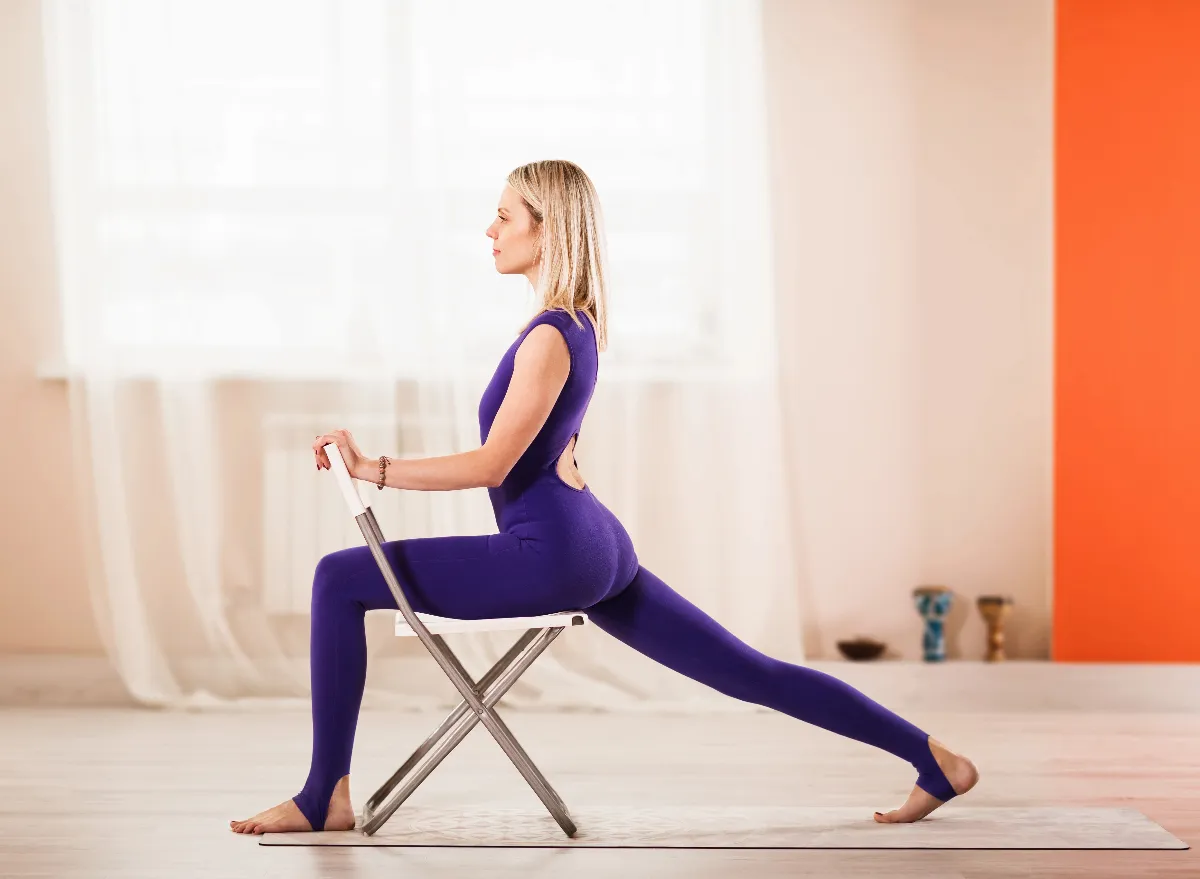
Singapore’s offices have a movement problem. Not the kind that gets discussed in wellness newsletters or addressed with a standing desk subsidy, but a deeper, more structural problem: the average desk-based professional in Singapore spends somewhere between eight and twelve hours a day in a seated position, and the physiological consequences of that sustained stillness are accumulating in ways that conventional corporate health screening does not fully capture.
Chair yoga is not the most glamorous response to this problem. It does not generate the kind of enthusiasm that a new HIIT class or a reformer Pilates rollout produces among corporate wellness teams. But for the specific physiological challenges that prolonged sitting creates in a professional population that cannot always step away from their desks, it may be the most practically effective intervention available, and Singapore’s more progressive corporate healthcare programmes are beginning to reflect this understanding.
What Prolonged Sitting Actually Does to the Body
The phrase “sitting is the new smoking” became a wellness cliché quickly enough that its physiological substance got lost in the backlash. But the underlying research holds up. Sustained sedentary behaviour produces a specific cluster of physiological effects that accumulate over years into clinically significant conditions.
Metabolic disruption is the most extensively researched consequence. Prolonged sitting suppresses lipoprotein lipase activity in the lower limb muscles, reducing the clearance of triglycerides from the bloodstream and contributing to the dyslipidaemia that is one of the primary risk factors for cardiovascular disease. These metabolic changes occur within hours of sustained sitting and are not fully reversed by a single bout of exercise, which is why the practice of compensating for eight hours of daily sitting with a 45-minute gym session produces less health benefit than the gym-based framing of exercise tends to suggest.
Postural loading is the second major physiological consequence. The human spine was not designed for sustained static loading in a flexed position, and yet this is exactly what eight to twelve hours of office chair sitting imposes on it every working day. The compressive loading on the lumbar discs in a slumped seated position is higher than in any other common daily posture, including standing and walking. The sustained shortening of the hip flexors, hamstrings, and anterior chest muscles that sitting produces creates the postural compensation patterns that drive the epidemic of neck pain, shoulder pain, and lower back pain that Singapore’s physiotherapy clinics manage in volume.
Circulation impairment in the lower limbs, produced by the sustained compression of blood and lymphatic vessels at the back of the knees and in the groin crease, contributes to the lower limb swelling, fatigue, and the increased deep vein thrombosis risk that long-haul flight warnings address but that many office workers experience in a lower-intensity, chronic form throughout their working lives.
Why Chair Yoga Specifically Addresses These Issues
Chair yoga is not simply yoga with a chair as a prop. At its most clinically useful, it is a specifically designed movement intervention that delivers targeted physiological inputs to exactly the tissues and systems most compromised by prolonged sitting, in a format that can be delivered within the specific constraints of a corporate environment.
The hip flexor and anterior chain lengthening that seated and standing chair yoga postures provide directly counteracts the hip flexor shortening that prolonged sitting produces. Unlike a standing stretch break, which most employees do intermittently and inconsistently, a structured chair yoga session provides systematic and adequate loading of these tissues across their full available length, delivered by an instructor who can ensure that the mechanical input is sufficient to produce genuine tissue response rather than simply a brief sensation of movement.
The thoracic mobility work that characterises most well-designed chair yoga sequences directly addresses the thoracic stiffening that is both a consequence of prolonged sitting and a primary contributor to neck and shoulder pain in desk workers. Thoracic rotation, extension, and the shoulder girdle mobility work that accompanies it in chair yoga provide the mechanical input that the thoracic spine requires to maintain its designed movement range, which is typically severely restricted in sedentary professionals.
The breath awareness component of chair yoga provides the diaphragmatic breathing restoration that is both independently beneficial for stress management and directly relevant to the postural correction of sitting-induced postural dysfunction. The diaphragm’s postural role as a lumbar stabiliser is compromised by the slumped postures of prolonged sitting, and the deliberate diaphragmatic breathing of chair yoga restores its function in ways that neither a stretch break nor a conventional strengthening programme addresses.
The Evidence for Corporate Chair Yoga Programmes
The research base for chair yoga in occupational health contexts, while not as extensive as the evidence for other corporate wellness interventions, is consistent in its findings and sufficient to support genuine evidence-based implementation decisions.
Studies examining workplace yoga programmes, including chair-based formats, have consistently documented reductions in self-reported musculoskeletal pain, improvements in stress and mood measures, and reductions in absenteeism in the participating populations. The effect sizes are modest but meaningful, and the cost per participant of a well-designed chair yoga programme is low enough relative to the productivity and healthcare cost savings that even modest improvements in these outcomes represent meaningful return on investment.
The participation rate advantage of chair yoga over conventional corporate wellness exercise programmes is also worth noting. The barriers to participation that reduce uptake in conventional exercise formats, including the need to change clothes, travel to a separate facility, and commit significant time, are largely absent in a well-designed chair yoga programme delivered at the workplace during a standard lunch break or brief mid-morning session. Higher participation rates mean that the population-level benefits are distributed more broadly than in programmes that achieve better individual outcomes but only for a small proportion of eligible employees.
Studios like Yoga Edition that have developed corporate chair yoga programmes with genuine clinical depth, designed around the specific physiological needs of Singapore’s office-based professional population, are providing a service that sits at the intersection of corporate healthcare, workplace productivity, and preventive medicine in ways that are both practically valuable and financially justifiable to the organisations that invest in them.
